Flowers for Wildlife, Yarra Ranges
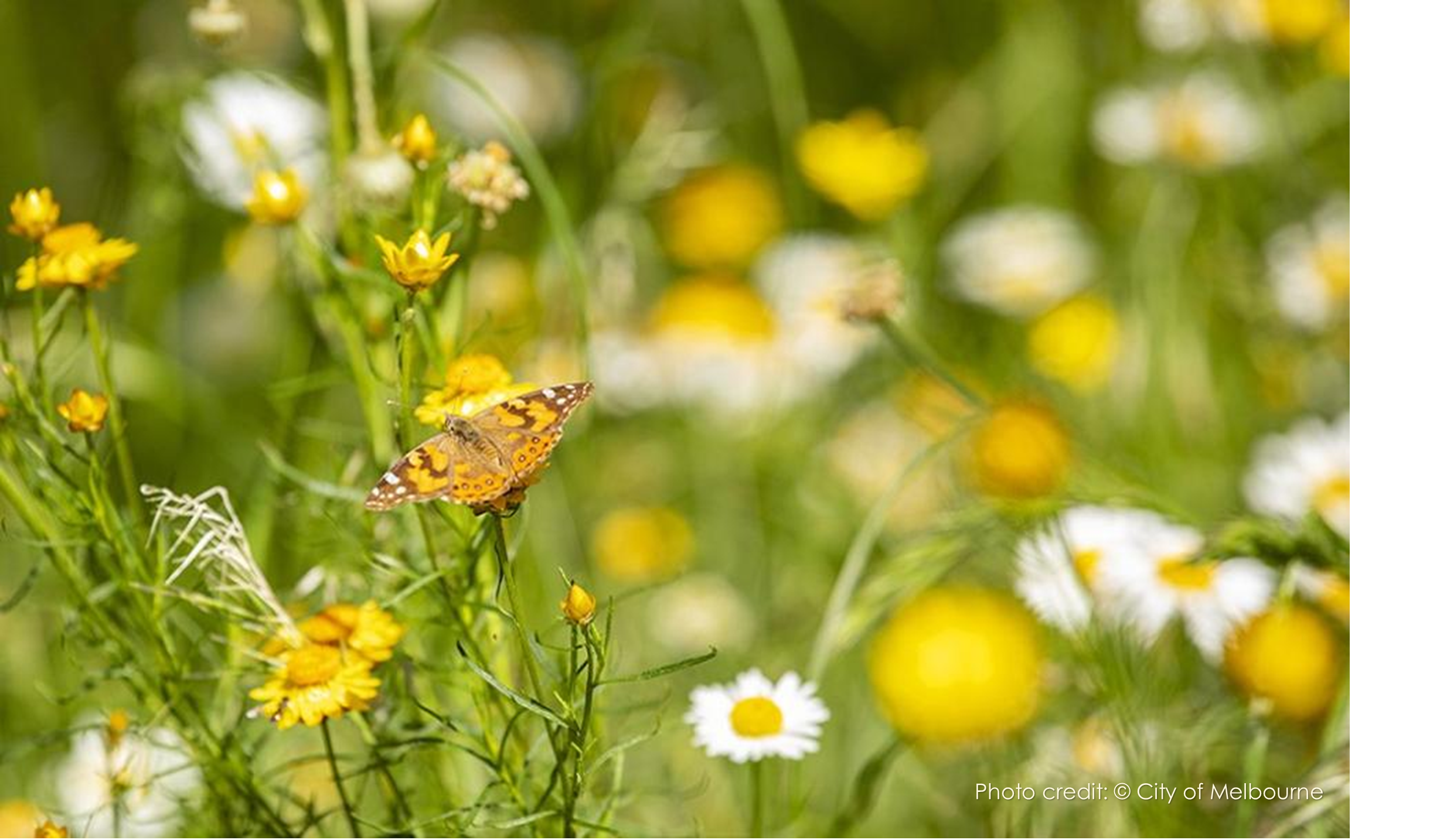
Many areas beside the iconic Lilydale-Warburton Rail trail are covered in weedy grasses that offer little habitat for pollinators and other wildlife. But these spaces have huge potential and with a little help, they can become beautiful wildflower meadows that support biodiversity.
Our Flowers for Wildlife program supports school children to plants native wildflowers along grassy verges in the Yarra Valley to support local pollinators.
Yedabila Habitat Pods
Many small wildlife lose their natural shelter from native vegetation following flood and fire. This can leave them vulnerable to predation. Our Yedabila habitat pods are like little temporary homes where animals can hide and stay safe from predators following natural disaster. Our pods are biodegradable, so as the vegetation grows back the pods naturally break down, leaving no trace behind.
Yedabila habitat pods are constructed using traditional Indigenous weaving techniques (“Yedabila” means animal in Yorta Yorta). Our workshops are run by a Traditional Owner and are a great opportunity to learn about our amazing wildlife while celebrating Aboriginal culture and heritage.
Rope Bridges for Wildlife, Yarra Ranges
Storms, fire and extreme weather can seriously damage the treetop pathways native wildlife rely on – possums, gliders and other tree‑dwelling animals lose the safe routes they need for food, shelter and movement. A small gap to us can be a major barrier for them.
Our wildlife rope bridges reconnect these broken pathways. Each bridge creates a safe, elevated route that helps native animals move across damaged habitat and avoid roads, predators and isolation.
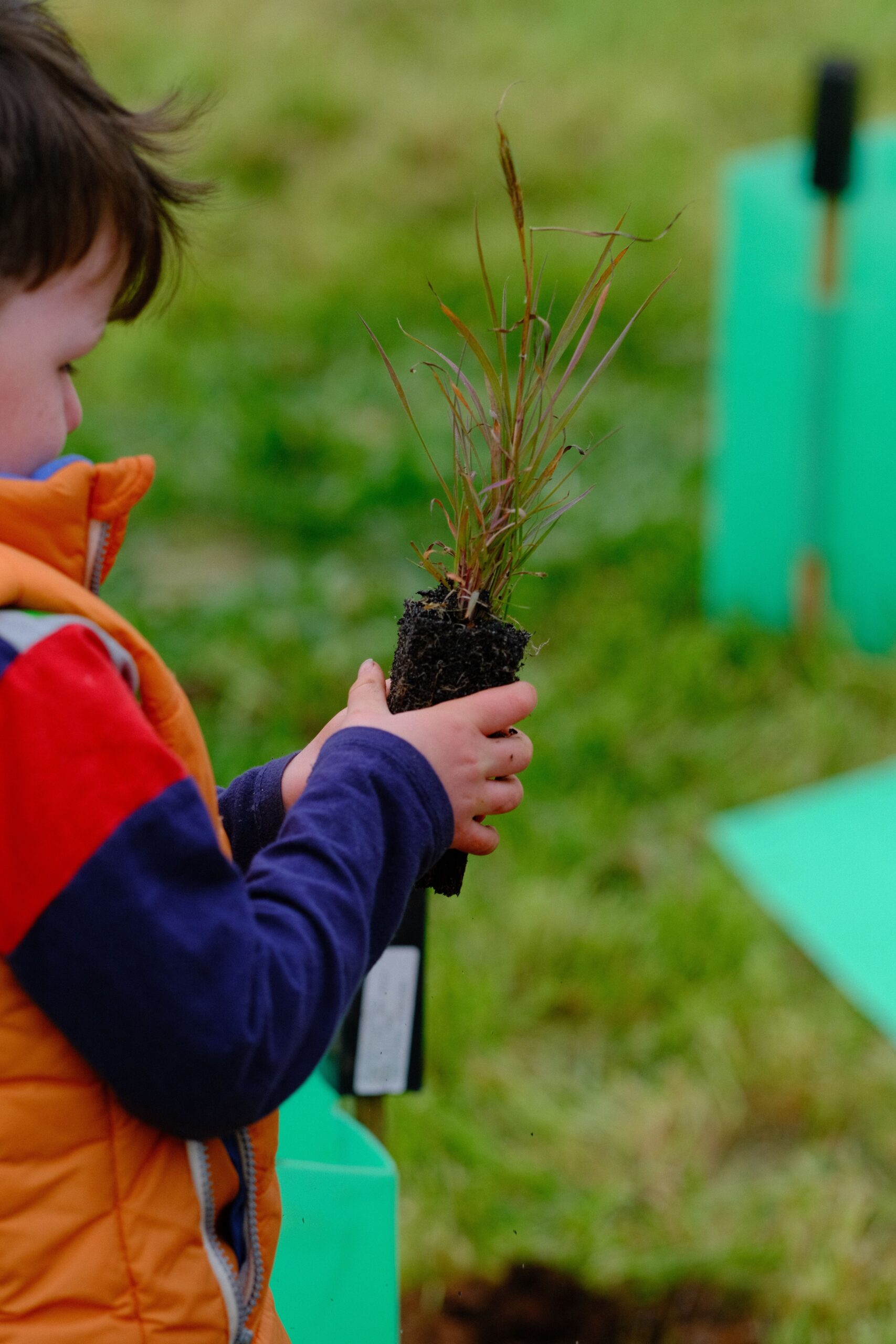
Planting the Seed Program
Planting the Seed inspires students to care for their local environment through hands-on conservation. Students grow native plants, restore local habitats, discover cultural heritage values, and contribute to citizen science, making a real difference while learning valuable conservation skills.
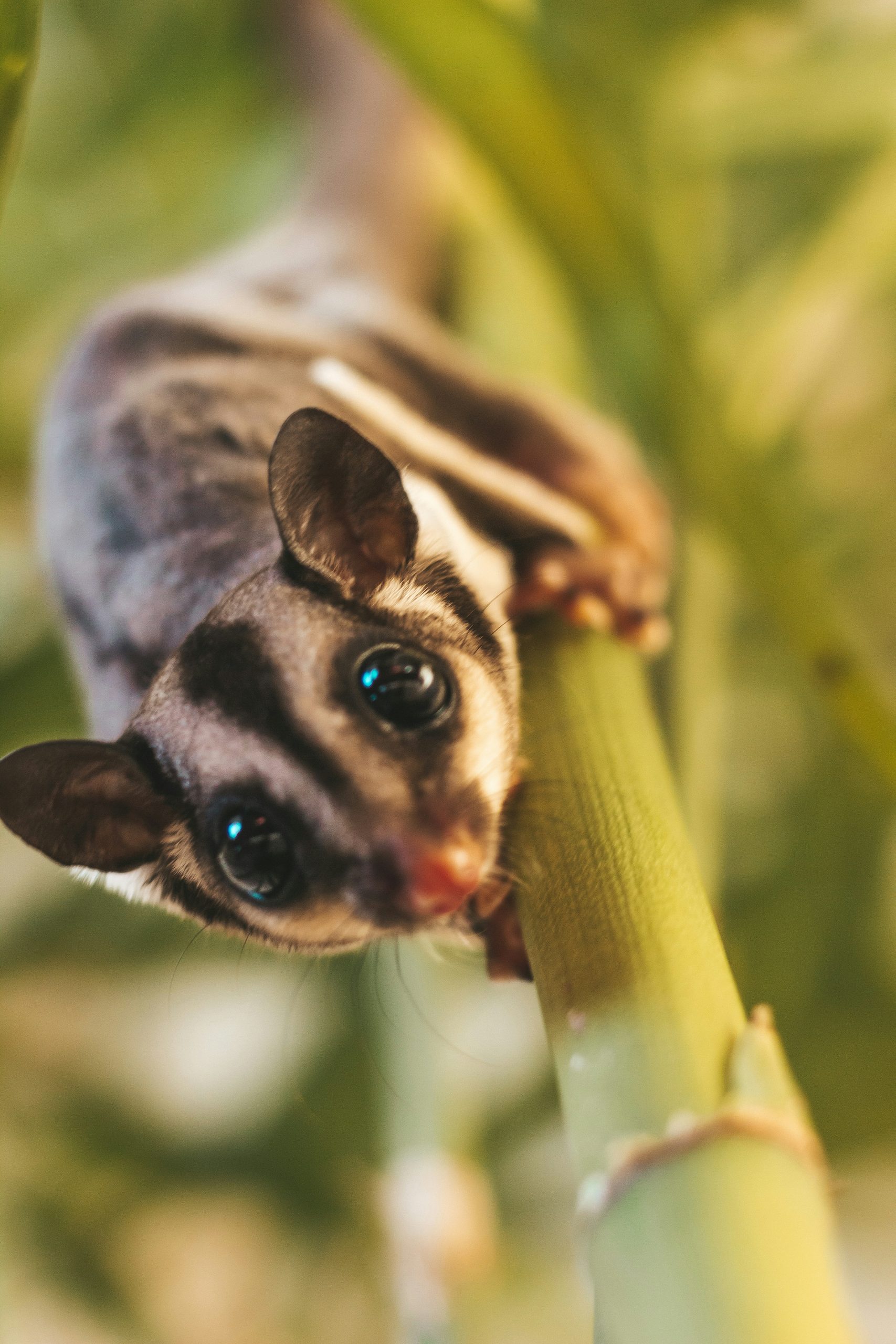
Hollows for Wildlife, Yarra Ranges
Tree hollows provide vital homes for many native wildlife species. Large hollows can take hundreds of years to form, making them difficult to replace when trees are lost to storms.
Artificial hollows provide immediate homes for hollow-dependent wildlife, providing safe homes foe wildlife like the Critically Endangered Leadbeater’s Possum and Endangered Greater Glider, sugar gliders, possums and birds, while new habitat grows and matures.